How to Clean Pavers Without Washing Away Joint Sand
@finnsngm212
Paved driveways, patios and pool surrounds are a feature of many Ballina homes, from East Ballina and Lennox Head to Alstonville and the Richmond River foreshore. They also take a beating from the local climate. High humidity, regular rain, salt-laden coastal air and plenty of shade under fig trees and eaves create ideal conditions for moss, algae, mould and tannin stains. Cleaning is necessary, but doing it the wrong way can blast out the joint sand that keeps your pavers locked in place. This guide explains how to get pavers looking fresh while protecting that sand.

Why Joint Sand Matters
The sand between your pavers is a structural component, not just filler. It transfers load between neighbouring pavers, prevents them from shifting or rocking, and blocks weeds and ants from moving in. It also limits water getting down into the bedding layer, which can cause settling and uneven surfaces.
When joint sand is washed out, you may notice:
- Pavers that wobble or sink under vehicle weight
- Weeds and grass sprouting in open joints
- Ant nests and burrowing insects, which are common in northern NSW
- Erosion of the bedding sand beneath the pavers
- Chipped paver edges from pavers rubbing against each other
Because Ballina receives high annual rainfall and experiences heavy downpours, exposed joints erode quickly. Protecting your sand during cleaning is far cheaper than repairing a failed paved area.
Why High-Pressure Cleaning Strips Sand
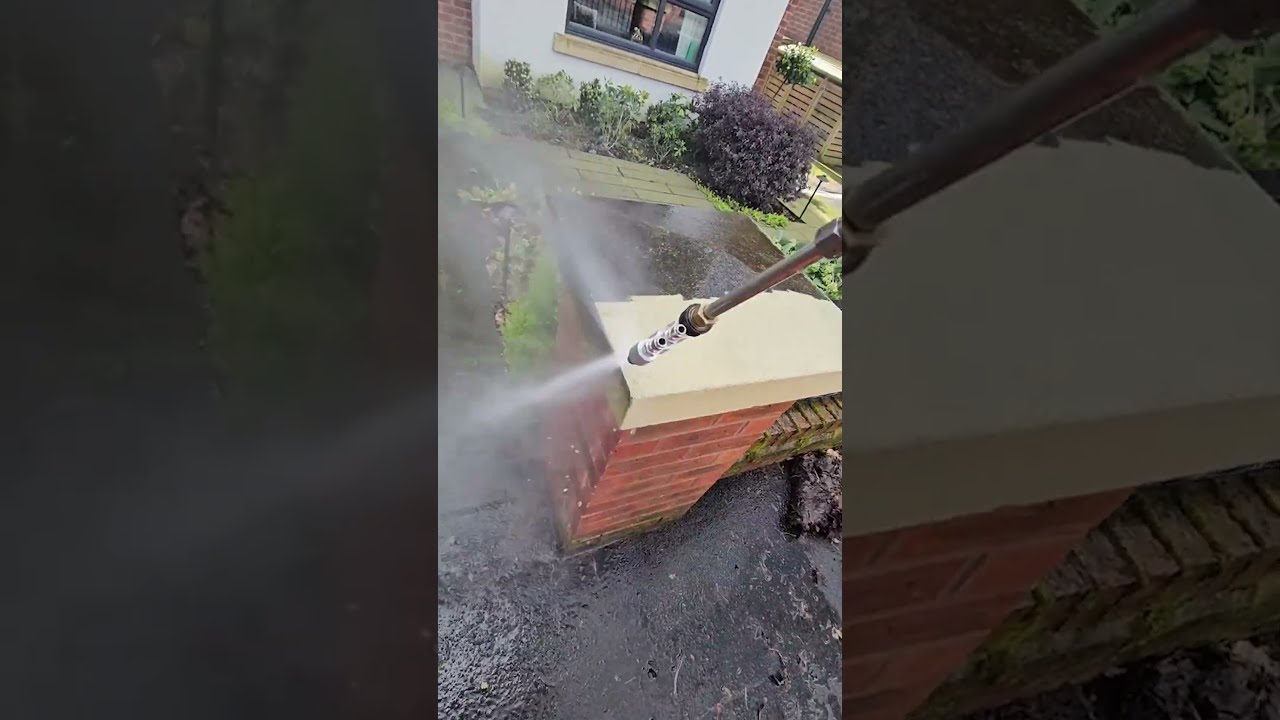
A standard pressure washer can deliver anywhere from 2,000 to over 4,000 PSI. Used with a zero-degree nozzle or held too close, the jet cuts straight into the joints and flushes sand out in seconds. This is the most common cause of joint damage on residential pavers. Aggressive blasting can also etch the paver surface, exposing the aggregate and making it more porous, so it stains and regrows algae faster.
The aim is to lift grime off the surface without directing concentrated water into the joints.
Step-by-Step: Cleaning Pavers Safely
1. Inspect and Prepare the Area
Check the condition of your joints before you start. If they are already low or patchy, plan to top up the sand after cleaning. Remove furniture, pots and loose debris, and sweep the surface with a stiff broom to remove leaves and dirt. Cover nearby garden beds or plants if you plan to use any cleaning products.
2. Pull Weeds Carefully
Remove weeds by hand or with a weeding knife, taking care not to dig out the surrounding sand. Pulling weeds when the soil is damp makes it easier to remove roots without disturbing too much material.
3. Pre-Wet and Apply a Suitable Cleaner
Lightly wet the surface with a gentle spray. For mould, algae and moss, which are the most common problems in Ballina's humid conditions, apply a cleaner designed for outdoor masonry. Options include:
- Oxygen-based cleaners (sodium percarbonate): Effective on organic growth and generally kinder to surrounding plants.
- Commercial mould and algae removers: Follow the label directions for dilution and dwell time.
- Diluted detergent: Suitable for light grime and greasy marks.
Allow the product to https://waylonazjd995.westhavenscope.com/posts/before-and-after-cleaning-photos-what-they-really-tell-you sit for the recommended time, usually 10 to 30 minutes, keeping the surface damp but not letting it dry out. The chemistry does the heavy lifting here, which means you can use much less water pressure.
4. Scrub Instead of Blasting
Use a stiff-bristled broom or deck brush to agitate the surface. Work in the direction of the paving pattern and avoid scrubbing hard along the joint lines. For stubborn patches, a second application of cleaner is better than extra pressure.
5. Rinse with Low Pressure
Rinse with a garden hose and a spray nozzle or a pressure washer set to a low pressure with a wide fan tip (25 to 40 degrees). Keep the nozzle at least 30 cm above the surface and angle the spray so water runs across the joints rather than straight down into them. Keep the wand moving to avoid pooling water in any one spot. If you use a surface cleaner attachment, it helps contain the spray and keeps pressure consistent, which reduces joint damage.
6. Let the Pavers Dry Completely
Wait until the pavers and joints are fully dry before any further work. In Ballina's humid weather, this can take a day or two, depending on shade and airflow.
Replacing and Stabilising Joint Sand
Even with careful cleaning, you may lose some sand, so a top-up is a smart finishing step. Use a clean, fine, angular sand intended for paving joints. Avoid soft builders' sand where possible, as it washes out more easily.
- Sweep the dry sand across the surface, working it into the joints in multiple directions.
- Compact the area with a plate compactor fitted with a rubber pad, or tap the pavers gently if working on a small area.
- Sweep again to fill any settled joints.
- Remove all excess sand from the paver surface, since leftover sand can stain when wet.
- Lightly mist the area to settle the sand, avoiding heavy water flow.
Consider Polymeric Sand
Polymeric jointing sand contains binders that harden when activated with water. It resists washout from rain, discourages weeds and deters ants better than regular sand. This can be a worthwhile upgrade in Ballina, where heavy summer storms and east coast low events can scour loose joints. Follow the manufacturer's instructions carefully. The surface must be clean and dry, the joints must be filled to the proper depth, and rain must not be forecast during curing. Incorrect application can leave a hazy residue on the pavers.
Sealing After Cleaning
Once the pavers are clean and the joints are filled, sealing can reduce future staining and slow mould and algae growth. Penetrating sealers protect the surface while maintaining a natural look, while enhancing sealers deepen colour and may add a sheen. Some sealers also help stabilise joint sand. Always test a small, inconspicuous area first, and make sure the pavers are completely dry before application. Sealing is particularly useful around pools, under trees and in shaded courtyards where moisture lingers.
Local Considerations for Ballina Homes
- Salt exposure: Properties close to the coast or river can build up salt deposits. Regular low-pressure rinsing helps prevent efflorescence and surface deterioration.
- Stormwater and runoff: Avoid letting cleaning chemicals flow into stormwater drains, which lead to local waterways such as the Richmond River and Lake Ainsworth. Choose biodegradable products, direct runoff onto lawn or garden where appropriate, and follow local council guidance.
- Water use: Be mindful of any water restrictions that may apply and use only what is needed.
- Timing: Aim for a stretch of dry weather. Cooler mornings or late afternoons prevent cleaners from drying too fast on the surface.
How Often Should You Clean Pavers?
In Ballina's subtropical climate, most pavers benefit from a gentle clean once or twice a year. Shaded areas may need attention more often, while sunny, open driveways can go longer. Regular sweeping and quick spot treatment of mould or oil spills reduce the need for heavier cleaning and keep your joint sand intact.
When to Call a Professional
DIY cleaning suits many situations, but a professional is worth considering if you have a large area, deeply embedded stains, previously sealed pavers with failing sealer, or joints that are already badly eroded. Experienced paving and cleaning contractors use calibrated equipment, surface cleaners and appropriate jointing materials to deliver a thorough result without compromising the paving structure. Ask any contractor how they protect joint sand and whether they re-sand or stabilise the joints after cleaning.
Key Takeaways
Cleaning pavers without washing away joint sand comes down to letting chemistry and gentle agitation do the work, not raw pressure. Use a suitable cleaner, scrub with a broom, rinse at low pressure with a wide fan, and always plan to top up or stabilise your joints afterwards. With a careful approach, your Ballina pavers can stay clean, stable and attractive for many years.
Ballina Pressure Cleaning
0440 133 837